Wind can turn a clear interview into a recording full of low rumble. If you record client videos, podcast interviews, or sound for a project outdoors, a furry microphone cover, often called a deadcat, can help keep that rumble from taking over.
The tricky part is buying one that fits. A furry cover for a clip-on mic and one for a handheld recorder can look similar in a thumbnail. Even within a product family, a small model difference can change which cover you need.
We researched the market, compared options for four common recording setups, and chose five covers worth considering. Our picks show what each cover fits, why we’d choose it for a particular job, and when we’d look for more protection.
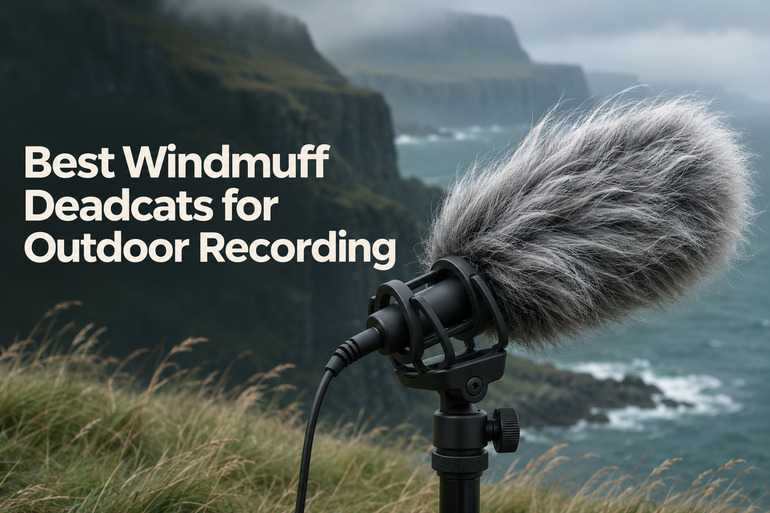
How We Selected the Best Windmuffs for Outdoor Recording
We started with the gear a solo creator or small crew is likely to take outside. We compared furry covers for handheld recorders, lapel mics, camera mics, and boom-mounted shotguns, checking model names and dimensions against the documentation we could verify.
We gave more weight to specific fit information than to claims about perfectly clear audio. For products with limited published measurements, we looked at what buyers could verify before ordering and where they’d need to make a judgment on location.
- Exact fit matters because your mic model can determine which cover stays seated.
- Useful dimensions let you check the opening or coverage against your gear before ordering.
- Wind conditions help you decide when a furry cover is enough for the job.
- Attachment design helps you judge how easily you can put on and remove the cover in the field.
- Pack contents tell you whether you’ll have a spare or a second type of cover for a different setting.
- Clear documentation helps you tell which performance claims come with measurements.
Each pick has a clear use. Start with the device you plan to record through.
Best Windmuff Deadcats for Outdoor Recording
Our five picks cover everything from a lapel mic to a boom-mounted shotgun. We’d match the cover to the mic you’ll actually use on the day.
1. ChromLives Furry and Foam Microphone Windscreen Combo
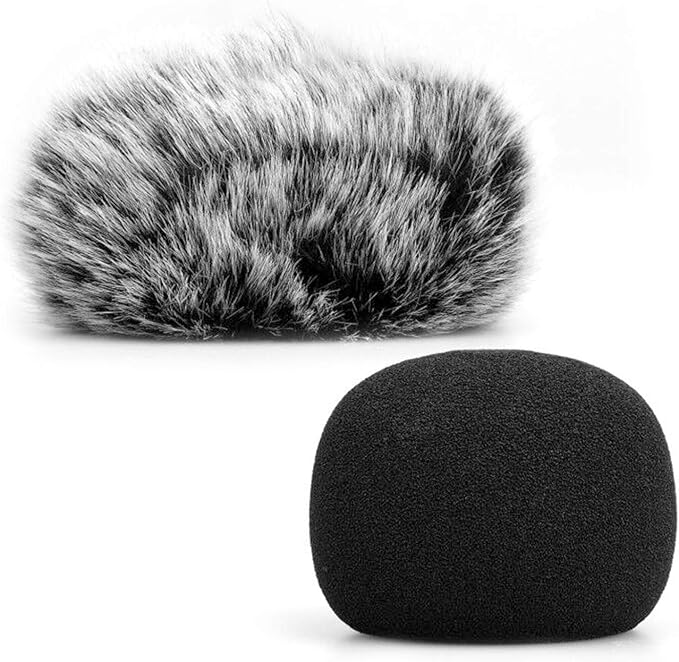
We’d choose this ChromLives combo for a solo podcaster or small video crew that already uses a Zoom H1 or H1n and regularly moves between indoor and outdoor recording. The product listing identifies both recorders and shows what comes in the pack.
You get one furry muff and one foam cover. That’s handy for a job that starts with an indoor conversation and ends with outdoor sound. We’d reach for the foam cover and keep the furry cover handy when the wind picks up outdoors.
ChromLives gives a listed fit size of 2.5 inches long by 40 millimeters in diameter. We’d check the named compatibility first. On the H1n, check that the cover leaves the recorder’s controls within reach once it’s over the stereo mics.
One drawback is that the pack contains only one furry cover. If you take two compatible recorders outdoors, the foam gives you a second option for light air. You’ll want a second furry cover if both recorders will face the same gusts.
We’d fit the cover over the mic end and play a short clip through the H1n’s headphone output. Check for wind rumble with the recorder held where you’ll use it. The outdoor recording guide suggests looking for shelter if gusts keep breaking through.
Who should skip it
- If you use an H1essential recorder, verify fit separately. We could confirm listed compatibility for the H1 and H1n.
- If you need an outdoor spare for a second operator, the two-piece pack gives you one furry cover and one foam cover.
2. eBoot 5 Pack Furry Lavalier Microphone Windscreens
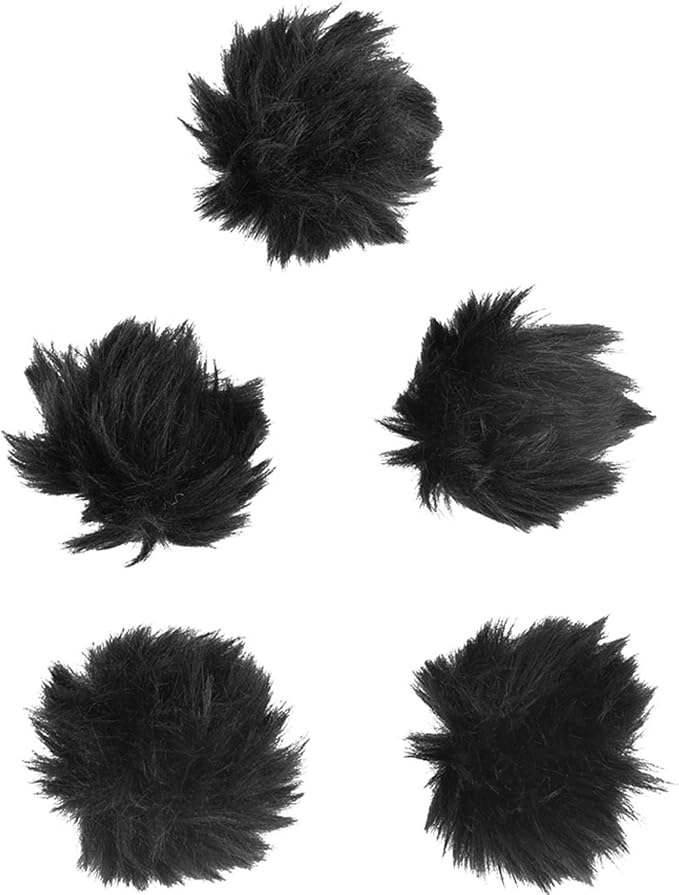
We’d pick eBoot’s five-pack for a small team that records outdoor interviews with traditional clip-on lapel mics. The retail listing describes black artificial fur covers, so you can outfit a pair of compatible mics and still keep spares in your audio bag.
The seller gives a 10 millimeter opening, a length of 20 millimeters, and a stated fit range of 8 to 13 millimeters across the mic head. We’d measure the part the cover slips over, especially if the capsule housing is wider than the mic stem.
What stands out is the pack size. With five matching covers, a two-person interview setup can have a cover on each mic and several ready to go for the next guest. That’s useful for crews that pass microphones between people throughout a shoot.
The main drawback is how much the fit depends on those measurements. The stated size range helps, though the listing gives little detail on how the cover sits around different clip shapes. We’d check the cover with the mic already clipped in place.
For setup, we’d follow Shure’s lavalier placement guidance and keep the covered mic clear of loose clothing and jewelry. Record a short sample while the speaker turns their head or moves naturally. That gives you a chance to catch fabric rubbing before the interview starts.
Who should skip it
- If your mic head falls outside the listed diameter range, choose a cover sized for it.
- If your shot calls for a discreet mic, the furry exterior can be harder to conceal on a visible lapel.
- If you use a clip-on transmitter as the mic, check its own attachment system before buying a cover sized for a separate capsule.
3. RØDE DeadCat VMP+ Windshield for VideoMic Pro+
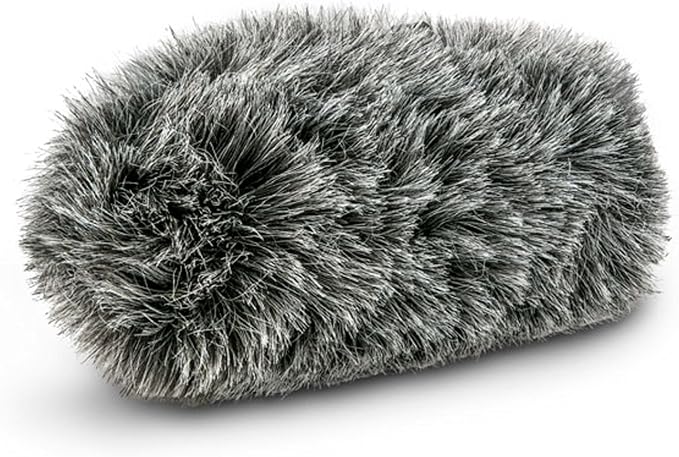
We’d choose the DeadCat VMP+ for a solo videographer who uses the VideoMic Pro+ on camera outdoors. RØDE’s compatibility chart pairs this cover with that specific mic, which makes ordering simple once you’ve checked the model name.
The foam and fur work together to limit the airflow that reaches the mic. B&H describes a rubber base at the back of the pickup area. We like that detail because fit matters around the opening as well as across the front.
The narrow fit is also its main drawback. Similar names can be misleading when you share gear. RØDE assigns the VideoMic Pro, VideoMic GO II, and VideoMic NTG their own windshields, so we’d label the cover if several models live in the same case.
Before filming, we’d check that the rubber base is seated evenly and play back a short clip with the camera pointed where you’ll shoot. If some low rumble remains, try the mic’s high-pass filter and listen again to see how it affects the voice.
Who should skip it
- If you own the original VideoMic Pro, check RØDE’s model compatibility chart for the matching cover before you order. The plus sign matters when the model names are this close.
- If you need a windshield you can swap between several camera mic models, the manufacturer’s product page names only the VideoMic Pro+ for this particular cover.
- If you need a measured wind reduction figure to plan an exposed shoot, we could confirm the cover’s construction but found no such figure in the specs.
4. YOUSHARES Furry Outdoor Microphone Windscreen for Zoom H4n Pro
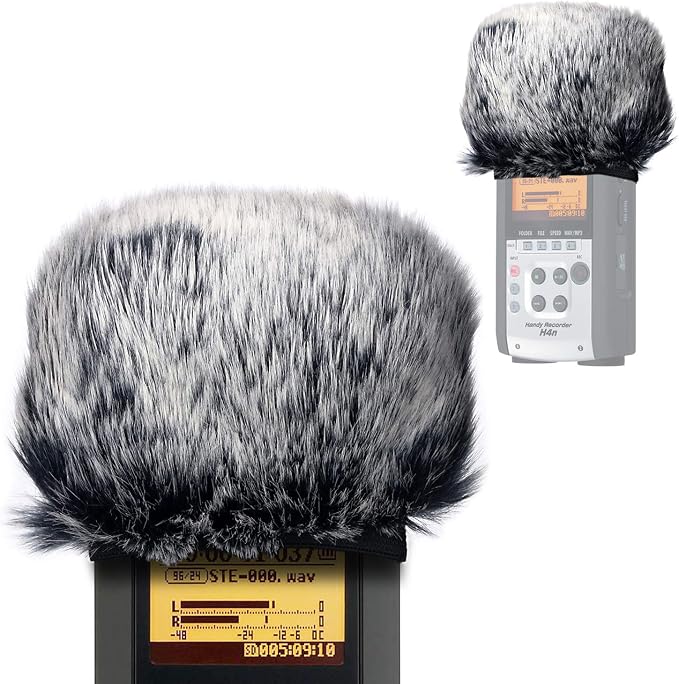
We’d choose this YOUSHARES cover for an independent producer who records outdoor ambience or interviews through the Zoom H4n Pro’s built-in stereo mics. The exact product listing identifies the H4n Pro Gray version of the cover, which helps if you’re ordering for an existing recorder.
This is a flexible artificial fur cover that goes over the recorder’s microphone end. We like the simplicity for a small field kit. If you already carry the H4n Pro to capture outdoor sound, you can add a cover sized for the recorder you know.
Check the model printed on the recorder before you buy. The same Amazon listing shows a separate H4n option. The similarity of the names makes the variant easy to miss, especially if you’re buying covers for a team with a mix of older Zoom gear.
We could verify the material and intended recorder from the retailer’s product description. The listing gives no measured wind reduction, so we’d judge whether the cover is enough at the location. That matters when you’re recording quiet ambience and want to preserve subtle detail.
For stereo recording, choose the mic angle before fitting the cover. Zoom’s recorder manual describes a 90-degree setting for a more focused sound and a 120-degree setting for a wider pickup. We’d listen back with the fur fitted before committing to a long take.
Who should skip it
- If your H4n Pro records through an external mic, fit the cover to that mic. This recorder-specific cover goes on the recorder itself.
- If you have a regular H4n, select its separate listed version before placing your order.
5. YOUSHARES NTG3 Microphone Windscreen
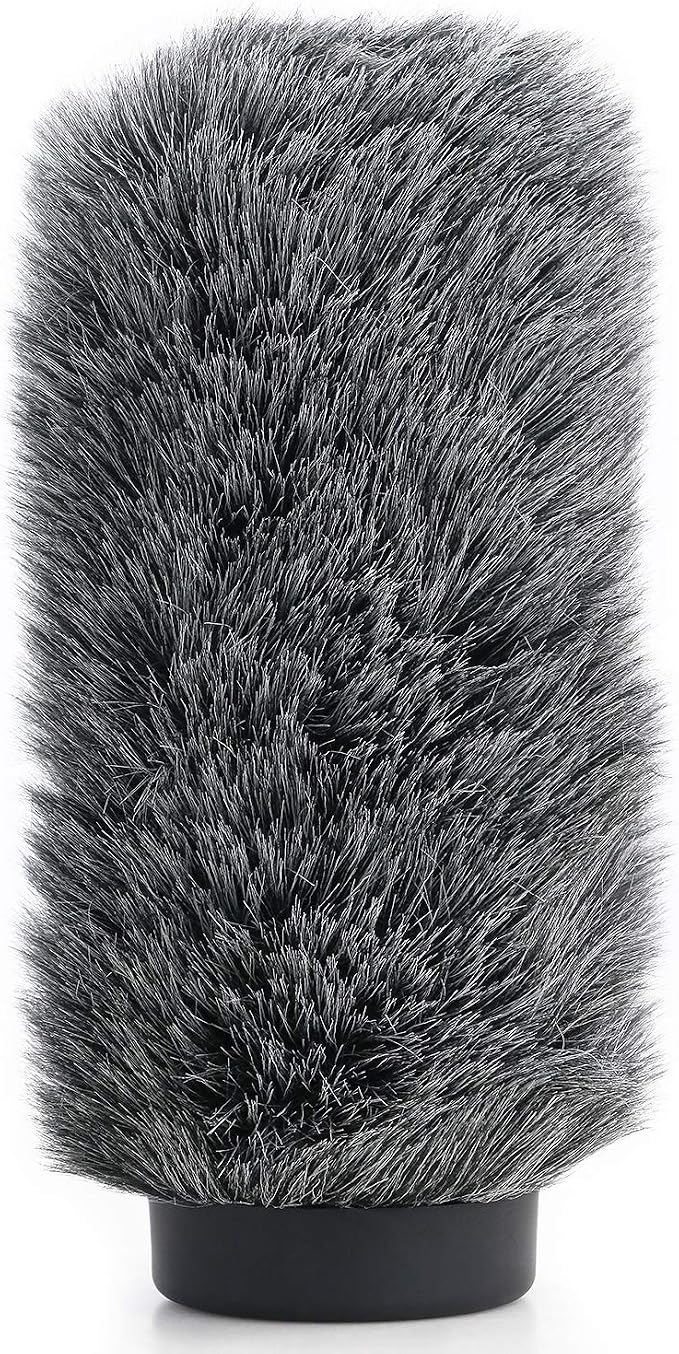
We’d choose this YOUSHARES windmuff for a small film crew that already uses a RØDE NTG3 or Sennheiser MKH 416 and wants a cover that fits directly over the shotgun mic. The retailer’s fit guide names both models and gives limits for other microphones.
YOUSHARES uses foam and fur around the pickup area and a rubber base that fits against the mic body. We like that the design addresses the opening at the back of the cover, where you’ll want to check that the base sits flush.
The listing gives a maximum slot length of 180 millimeters and a barrel diameter range of 18 to 24 millimeters. If you’re fitting a different shotgun, measure the vented section that the cover must enclose and the barrel where the base will sit.
The drawback is that the product listing gives no measured reduction you can use to plan for strong wind. For a shoot on an exposed ridge or waterfront, we’d follow the NTG3 manual’s guidance and consider a full blimp if you need maximum protection.
Before rolling, we’d make sure the cover reaches past the last vent and check that the rear base sits evenly. Listen while the boom operator moves through the planned shot. RØDE’s wind reduction guide also suggests moving toward shelter if gusts keep coming through.
Who should skip it
- If your shotgun has slots longer than 180 millimeters or a barrel outside the stated diameter range, look for a cover with matching dimensions.
- If you need wind protection and a suspension mount together, a full blimp system is a better fit for that setup.
Final Thoughts
We’d start with the exact mic or recorder model and check what the cover has to enclose. Then think about how exposed your usual locations are. For a breezy interview or a quiet stretch of outdoor sound, leave time for a short test recording.
Let your budget and the way you work guide the rest. A solo creator may want one cover that goes on quickly, while a crew sharing several mics may need spares. Choose a cover you can fit and check before the first take.
Be First to Comment