A clear mission statement gives a company direction. A strong vision statement creates a destination. For a global brand like BMW, these statements influence everything from product design to hiring decisions. They signal to customers and competitors exactly what the company stands for.
BMW’s mission is “The BMW Group is the world’s leading provider of premium products and premium services for individual mobility.” Its vision is “We are shaping the future of individual mobility.” These two sentences capture the brand’s current identity and its long-term ambition.
Understanding what they mean and how they work together reveals the strategy behind one of the world’s most recognizable automakers.
What Is BMW’s Mission Statement?
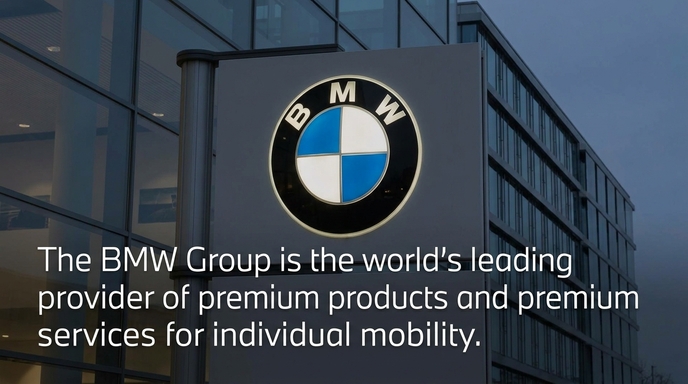
The BMW Group is the world’s leading provider of premium products and premium services for individual mobility.
In plain language, BMW aims to be the top choice for anyone who values premium individual transportation. The statement deliberately mentions “products and services,” not just vehicles. This includes mobility offerings such as car sharing, financing, and digital connectivity. The word “premium” signals a commitment to high quality, performance, and customer experience. The phrase “individual mobility” reflects BMW’s belief that personal freedom of movement matters, even as shared and public transport options expand.
This mission puts the customer at the center, promising a superior end-to-end mobility experience. It also directs employees to think beyond the car itself. Engineers, designers, and service teams are expected to create value through every touchpoint, from the vehicle to the app to the dealership. That broad scope defines the company’s competitive playing field today.
101 Mission Statements is for you if:
- You’re a leader or entrepreneur needing a clear, inspiring statement of intent for your business or nonprofit.
- You want your team and clients aligned with a shared vision of excellence and long-term goals.
- You need a step-by-step guide to craft a customized mission statement that acts as a blueprint for future success.
What Is BMW’s Vision Statement?
We are shaping the future of individual mobility.
Unlike the mission, which is about today’s leadership, the vision looks ahead. It says BMW is not waiting for the future to arrive. The company intends to define it. That involves leading the transition to electric drivetrains, integrating digital services directly into daily life, and making mobility more sustainable.
The phrase “shaping the future” carries weight. It means BMW invests heavily in research, design, and partnerships that push the industry forward. For customers, it translates to vehicles and services that are connected, intelligent, and responsible. For employees, it provides a sense of purpose beyond quarterly profits. The vision sets a direction that requires constant evolution, which is why it does not describe a fixed end point. It keeps the organization oriented toward what comes next.
Key Differences Between BMW’s Mission and Vision
| Aspect | Mission | Vision |
|---|---|---|
| Focus | Current role as leading premium mobility provider | Long-term ambition to define mobility’s future |
| Timeframe | Present-oriented | Future-oriented |
| Primary Audience | Customers, investors, partners | Industry, society, employees, future customers |
| Core Question Answered | What do we do today? | Where are we going? |
| Purpose | Clarifies business scope and standard | Inspires innovation and strategic direction |
Both statements are distinct but deeply connected. The mission establishes the foundation of trust and excellence that makes the vision credible. Without a strong present position, the aspiration to shape the future would ring hollow. Together, they tell a complete story about where BMW stands and where it is headed.
Core Values Behind BMW’s Mission and Vision
BMW’s stated corporate values are Responsibility, Trust, Transparency, Appreciation, and Openness.
- Responsibility: BMW takes accountability for its environmental and social impact, linking directly to the vision’s sustainable mobility goals.
- Trust: The company builds long-term customer relationships through safety, quality, and reliability, which support its mission to lead in premium mobility.
- Transparency: Open communication and ethical reporting strengthen stakeholder confidence and align with the value of Trust.
- Appreciation: Respect for employees, suppliers, and communities fosters a culture where diverse ideas fuel the forward movement the vision demands.
- Openness: A willingness to embrace new technologies, partnerships, and feedback keeps BMW adaptable as it pursues its vision.
These five values work as a system. Responsibility and Trust build the brand’s reputation. Transparency reinforces Trust. Appreciation and Openness ensure the company attracts and keeps the talent necessary to carry out both the mission and the vision. When the statements feel abstract, the values ground them in daily behavior.
How BMW Lives Its Mission and Vision
BMW’s push into electric vehicles shows its vision in action. The launch of fully electric models like the i4 and iX, plus the development of the Neue Klasse platform due in 2025, demonstrates a serious commitment to sustainable mobility. The company has stated that by 2030 at least half of its global sales should be fully electric. This is not just about meeting regulations. It is about actively building the future of individual mobility, exactly as the vision promises.
The circular economy effort adds another layer. The BMW i Vision Circular concept car, revealed in 2021, was designed to be made entirely from recycled materials and to be fully recyclable at the end of its life. BMW’s RE:THINK, RE:DUCE, RE:USE, RE:CYCLE principles guide its development. These efforts connect directly to the mission of being a premium provider, but with a responsible twist that the vision for tomorrow requires.
Digital services also bring the statements to life. Today’s BMW vehicles function as connected devices. Over-the-air software updates, the My BMW app, and the BMW Intelligent Personal Assistant turn the car into a digital experience platform. These premium services go far beyond transportation. They fulfill the mission’s call for premium services for individual mobility, creating recurring value for customers and reinforcing the brand’s leadership.
Finally, diversity and inclusion targets reflect the values of Appreciation and Openness. BMW Group has set measurable goals for increasing the share of women in management, aiming for 22 percent globally by 2025. Bringing in fresh perspectives helps the company imagine and shape future mobility. It shows that the mission and vision are not just about machines, but about the people who create them.
How BMW’s Mission and Vision Have Evolved
BMW started in 1916 as an aircraft engine manufacturer. After World War I, it shifted to motorcycle and automobile production. For much of the 20th century, the brand built its reputation around driving pleasure, captured by the tagline “The Ultimate Driving Machine.” That phrase was a brand promise, not a corporate mission statement.
The formal mission as a statement about premium mobility leadership came later. By the early 2000s, BMW had broadened its portfolio to include MINI, Rolls-Royce, and financial services. The mission “The BMW Group is the world’s leading provider of premium products and premium services for individual mobility” was adopted to reflect this wider scope. It remains unchanged as of 2026.
The vision, however, has been refined. Earlier versions focused on being the most successful premium manufacturer. Today’s vision “We are shaping the future of individual mobility” reflects a broader shift. The company now explicitly ties its future to electrification, digitalization, and circularity. External pressures like climate targets and competition from tech focused newcomers accelerated this change. The evolution shows a company moving from a product-centric goal to a purpose-driven transformation of how people move.
What Your Company Can Learn from BMW’s Statements
BMW’s mission and vision offer useful lessons for companies of any size. Here are four takeaways for writing or refining your own statements.
- Define your scope with precision. BMW’s mission does not say “we make cars.” It claims leadership in premium products and services for individual mobility. This broad but clear framing allowed BMW to expand into car sharing, financial services, and digital features without drifting from its core identity. Lesson: Write a mission statement that covers your current strengths and leaves room for logical expansion.
- Keep your mission and vision separate. Many small companies try to combine purpose and aspiration into one sentence. BMW keeps them distinct. The mission grounds the company in today’s competitive reality. The vision pulls it toward the future. This separation makes strategic decisions easier. Teams know whether a project supports current leadership or future transformation. Lesson: Do not blur the line between what you do now and where you want to go.
- Embed sustainability in your forward look. BMW’s vision does not mention sustainability word for word, but its actions, like the circular economy principle, show it is a core part of the future. The lesson is not to cram every buzzword into your vision statement. Instead, make sure your long-term ambition can encompass the real shifts your industry faces. Then back it up with concrete goals.
- Use your values as the connective tissue. BMW’s five values connect the mission and vision to daily behavior. Openness supports innovation for the future. Responsibility ensures that growth does not come at the expense of trust. When writing your own statements, treat values as the bridge between what you do and where you are going. Without that bridge, statements stay on the wall and never reach the factory floor.
Frequently Asked Questions
Q: What is BMW’s current mission statement?
A: The current mission statement is “The BMW Group is the world’s leading provider of premium products and premium services for individual mobility.” It highlights the company’s aim to lead in premium transportation and mobility services.
Q: What is BMW’s vision for the future?
A: BMW’s vision is “We are shaping the future of individual mobility.” This statement reflects the company’s commitment to leading the shift toward electric, digital, and sustainable transportation.
Q: Does BMW have a separate tagline from its mission statement?
A: Yes. BMW’s famous advertising tagline is “The Ultimate Driving Machine.” It focuses on driving pleasure and performance, distinct from the broader corporate mission about premium mobility provision.
Q: What are BMW’s core values?
A: The BMW Group lists five core values: Responsibility, Trust, Transparency, Appreciation, and Openness. These guide its corporate culture and strategic decisions.
Q: Has BMW’s mission or vision statement ever changed?
A: The mission statement has been stable for over a decade, focusing on premium mobility leadership. The vision statement has evolved, shifting from being the most successful premium manufacturer to actively shaping the future of individual mobility, incorporating sustainability and digital transformation.
Q: How does BMW put its mission into practice?
A: BMW executes its mission through continuous advancement in electric vehicles, digital mobility services, and a strong focus on premium customer experiences. Its circular economy initiatives and diversity programs also reflect its values and vision.
Final Thoughts
BMW’s mission and vision do more than sound good in an annual report. They map out a clear identity: a premium leader today, a shaper of mobility tomorrow. The mission grounds the company in excellence. The vision forces it to evolve. Together, they show a brand that knows what it is and what it wants to become. The supporting values make those ambitions believable. For anyone analyzing brand strategy, BMW demonstrates how a few carefully chosen words can guide a massive global enterprise.
What do you think of BMW’s direction? Leave a comment below and share your view on how well the company lives up to its mission and vision.
101 Mission Statements is for you if:
- You’re a leader or entrepreneur needing a clear, inspiring statement of intent for your business or nonprofit.
- You want your team and clients aligned with a shared vision of excellence and long-term goals.
- You need a step-by-step guide to craft a customized mission statement that acts as a blueprint for future success.
Be First to Comment